
Arthritis Creams – How Topical Treatments Can Help, What to Look For, and Practical Guidance
(A comprehensive guide — concluding with a friendly introduction to Arthrovit Arthritis Pain Relief Cream)
Arthritis and joint discomfort affect millions of people worldwide. For many, topical creams and gels offer a simple, practical way to manage everyday aches, soothe stiff joints, and support a more active life. This guide explains why arthritis creams can be useful, how they work, what ingredients to watch for, safe use tips, and answers common questions. At the end you’ll find a product spotlight showing how one daily topical — Arthrovit Arthritis Pain Relief Cream — fits into this approach.

Why consider a topical cream for arthritis or joint aches?
Topical creams are an attractive option for several reasons:
-
Localised delivery. Creams are applied directly where you feel discomfort, delivering active ingredients straight to the skin and local tissues without the whole-body exposure that comes with some oral medicines.
-
Lower systemic exposure. Because little of the active may enter the bloodstream, topicals can reduce the risk of systemic side effects that some oral drugs cause.
-
Ease of use. Creams are portable, simple to apply and can be used as needed during the day.
-
Symptom-focused relief. For many people, especially those with osteoarthritis or isolated joint soreness, a well-chosen topical can bring noticeable comfort that helps them stay active.
Important: topical treatments are supportive — they help manage symptoms and improve comfort rather than curing underlying joint disease. For inflammatory or progressive arthritis it’s essential to keep in touch with your healthcare professional about overall treatment.
How arthritis creams work — the common mechanisms
Different topical formulations reduce discomfort in different ways. Here are the main categories and how they work:
-
Counterirritants (menthol, camphor, eucalyptus)
These ingredients create a cooling or warming sensation that distracts from pain signals and can relieve the feeling of soreness. They are widely used and generally well tolerated. -
Topical non-steroidal anti-inflammatories (NSAID creams/gels)
Topical NSAIDs (e.g., diclofenac in some formulas) target inflammation at the site and are supported by clinical research for short-term relief in conditions like osteoarthritis. They provide anti-inflammatory action with lower systemic exposure compared to oral NSAIDs. -
Capsaicin (chilli-derived)
Capsaicin works by reducing a pain neurotransmitter (substance P) from local nerve endings. It can take several applications over days to weeks to show benefit and may cause an initial warming or tingling sensation. -
Herbal and botanical extracts (arnica, boswellia, arnica, comfrey, ginger)
Some plant extracts have traditional use and emerging clinical support for topical comfort. Their mechanisms vary — antioxidant, mild anti-inflammatory or soothing effects — and quality can vary between products. -
Analgesic blends and moisturising bases
Many over-the-counter creams combine multiple gentle actives in a hydrating cream to soothe skin and support topical penetration. -
Rubefacients
Ingredients that increase blood flow to the skin surface can temporarily relieve deep-seated discomfort by creating mild, soothing warmth.
Evidence — what the research generally shows
-
Topical NSAIDs have the strongest clinical evidence among topical options for short-term relief of osteoarthritis-related pain, especially in joints close to the skin (knees, hands).
-
Counterirritants and capsaicin have good user satisfaction for symptomatic relief, though results vary by individual. Capsaicin typically needs consistent application to build effect.
-
Herbal extracts (e.g., arnica, boswellia) show some supportive data and many users report benefit, but quality and consistency between products differ; choose reputable brands.
Overall: topicals are a pragmatic, evidence-backed option for many people with mild-to-moderate joint aches or osteoarthritis. They are often recommended as part of a multimodal plan that includes exercise, weight management and other therapies when needed.
What to look for when choosing an arthritis cream
-
Active ingredients: Decide whether you prefer a warming/cooling approach (menthol/camphor), a capsaicin product, a topical NSAID (where available), or a botanical formula.
-
Strength and formulation: Read labels for concentrations and directions. Some products require twice-daily application; others are as-needed.
-
Skin sensitivity: If you have sensitive skin, avoid heavy fragrances or high concentrations of potential irritants; patch test first.
-
Reputable manufacturing: Look for products from established brands, with clear ingredient lists, batch/expiry info and contact details.
-
Regulatory cues: In some countries certain topical NSAIDs or medicated products may be pharmacy-only — follow local guidance.
How to use arthritis creams safely and effectively
-
Read the label. Follow manufacturer directions for amount, frequency and duration.
-
Patch test first. Apply a small amount to an area of skin for 24–48 hours to check for sensitivity.
-
Clean, dry skin. Apply to clean, dry skin and massage in gently for a minute or two.
-
Wash hands after application unless you’re treating your hands — some ingredients (e.g., capsaicin) can irritate eyes or mucous membranes.
-
Avoid broken skin. Don’t apply to cuts, rashes or infected areas.
-
Be cautious with heat. Don’t use external heat (hot packs) with some warming rubs unless the label permits it.
-
Check interactions. If you use a topical NSAID and also take an oral NSAID or blood-thinning medication, check with your clinician — they can advise on combined use.
-
Monitor response. If pain persists, worsens, or you experience skin reactions, stop use and consult a healthcare professional.
When you should see a doctor
Use topicals for symptom relief, but consult a clinician promptly if you experience:
-
sudden joint swelling, redness or warmth (possible infection or inflammatory flare)
-
severe, new onset joint pain or limited movement
-
systemic symptoms (fever, unexplained weight loss) alongside joint pain
-
if over-the-counter measures do not control pain or reduce function
A medical evaluation ensures you get an accurate diagnosis and a tailored treatment plan.
Realistic expectations
Topicals can reduce discomfort, improve short-term mobility and support daily activity — but they are rarely a permanent fix alone. Combining topical care with exercise, physiotherapy, weight control, and medical treatments when needed usually gives the best long-term outcomes.
Frequently Asked Questions (FAQs)
1. Can I use a topical cream every day?
Many people use topical creams daily. Follow the product directions; for medicated formulas or high-strength actives, consult your pharmacist or doctor about long-term use.
2. Are topical creams safer than oral painkillers?
Topicals often have lower systemic exposure and fewer whole-body side effects, but “safer” depends on the product and your health status. Always consider your overall medication list and discuss with a clinician if you have concerns.
3. Will a cream reduce joint inflammation inside the joint?
Topicals primarily act at the skin and local tissues and can reduce symptoms of inflammation and pain; for significant internal joint inflammation, systemic therapies or specialist advice may be required.
4. Can I combine different topical products?
It’s generally best to avoid layering multiple active topicals at the same time (e.g., two medicated creams) unless advised. Combining a simple moisturiser with a medicated cream is usually fine.
5. How long until I notice improvement?
Some users feel relief within minutes (cooling/warming rubs); others need days or weeks for changes (capsaicin). If there’s no meaningful improvement after a few weeks, discuss options with your healthcare professional.
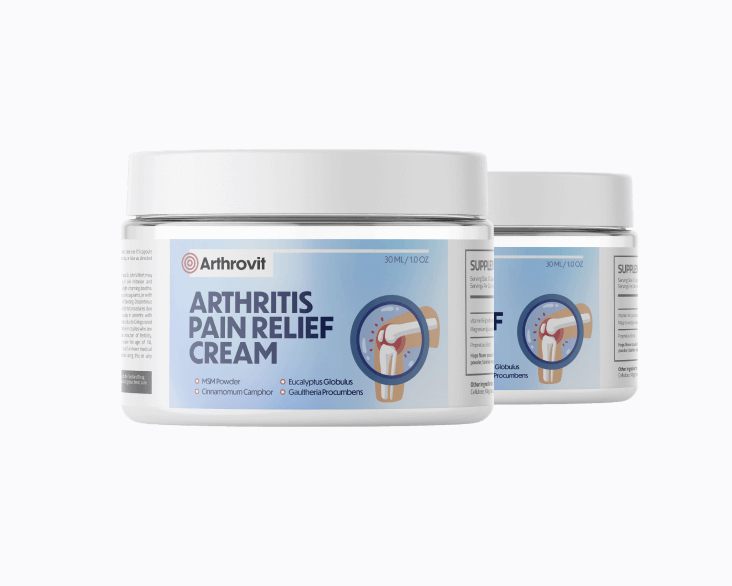
Product spotlight — Arthrovit Arthritis Pain Relief Cream
If you’re looking for a daily, user-friendly topical to help manage joint discomfort, Arthrovit Arthritis Pain Relief Cream is designed exactly for that role.
What Arthrovit offers:
-
A fast-absorbing, non-greasy cream base that is pleasant for daily use under clothing.
-
A blend of soothing botanicals and targeted actives selected to support joint ease and reduce the feeling of stiffness.
-
Formulated to provide soothing warmth and calming comfort for aching areas, helping you move with more confidence.
-
Designed for daily or as-needed application, ideal for people who want a gentle, reliable topical as part of an active lifestyle.
Who benefits:
Adults who experience everyday joint soreness, stiffness after activity, or mild osteoarthritis symptoms often find Arthrovit a useful part of their routine. It’s also suitable for people wanting a topical option without heavy oils or strong fragrances.
How to use Arthrovit:
Apply to clean, dry skin over the affected joint. Gently massage until absorbed. Use daily or as needed — many users apply once in the morning and again in the evening, or pre-/post-activity.
Safety note:
Arthrovit is formulated for topical, external use. If you are on prescription medications (especially blood thinners), have sensitive skin, are pregnant or breastfeeding, or have severe joint disease, consult your healthcare professional before starting any new topical routine.



Reviews
There are no reviews yet.