
Vitamin C serums are one of the most talked-about skincare steps — and for good reason. When chosen and used properly, a vitamin C serum can brighten dull skin, help even skin tone, protect against daily environmental stressors, and improve texture. But not all vitamin C serums are equal. If you live in Australia — where UV exposure, humidity and pollution profiles vary widely — choosing the right product matters.
This is a practical, expert-minded guide to help you:
- understand how vitamin C works on skin,
- learn what to look for on ingredient lists and product labels,
- choose the right concentration and form for your skin type,
- layer safely with other actives and sunscreen, and
- buy with confidence in Australia.
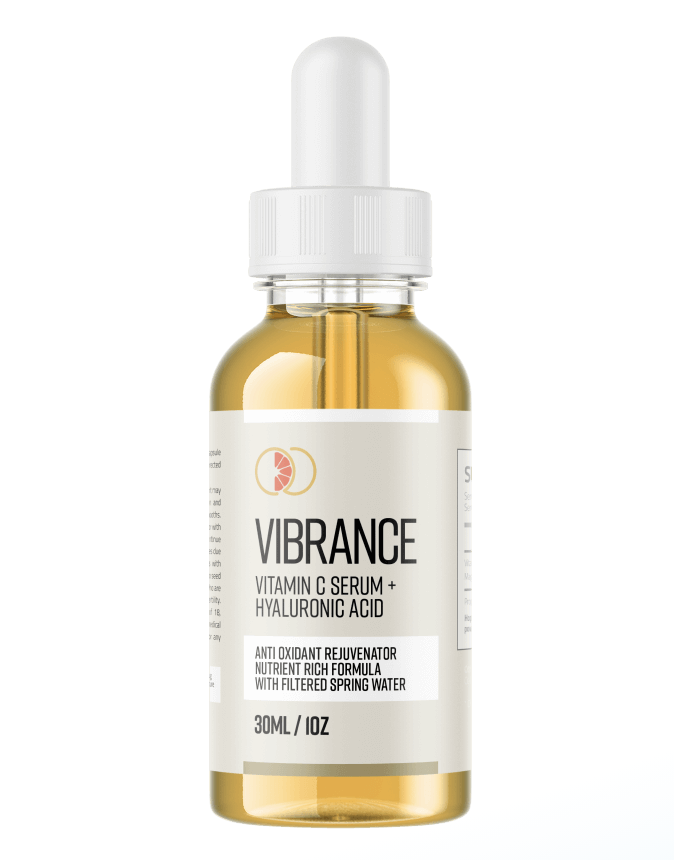
Partway through the article I’ll share a clear recommendation: why Vibrance Vitamin C Serum is our top pick for Australian skin — a balanced, stable formula that meets the most important criteria many dermatologists and skincare experts recommend.
1. What vitamin C does for skin (simple science, useful for shoppers)
Vitamin C is an umbrella term for several related molecules; the most commonly discussed in skincare is ascorbic acid (the pure form). Vitamin C acts as an antioxidant at the skin surface — it can neutralise some free radicals created by UV exposure and pollution — and plays a role in the skin’s natural renewal processes that influence tone, luminosity and texture.
Key, realistic effects people use topical vitamin C for:
- Brighter, more even complexion (helps reduce the appearance of dullness and uneven tone).
- Improved texture (with regular use skin can feel smoother).
- Antioxidant support (helps protect against daily oxidative stress; but it’s not a sunscreen replacement).
- Supports collagen formation pathways (in laboratory settings vitamin C is essential for collagen synthesis — topical use can support skin health but is not a “miracle” firming treatment).
Important: vitamin C is supportive — combine it with sunscreen and good skin habits for best outcomes.
Best Vitamin C Serum Australia
2. Forms of vitamin C — which one should you choose?
There are multiple vitamin C derivatives in skincare. Each has pros and cons.
- L-Ascorbic Acid (pure ascorbic acid)
- Pros: well-researched, effective at lower pH; can give visible brightening.
- Cons: unstable (oxidises quickly when exposed to air, light or heat) and may irritate sensitive skin at high concentrations.
- Magnesium Ascorbyl Phosphate (MAP) and Sodium Ascorbyl Phosphate (SAP)
- Pros: more stable, gentler on sensitive or reactive skin.
- Cons: may be less potent per unit than pure ascorbic acid; effects can be slower.
- Ascorbyl Tetraisopalmitate, Tetrahexyldecyl Ascorbate (oil-soluble derivatives)
- Pros: very stable, penetrate well, good for drier skin and in oil-based formulas.
- Cons: formulation-dependent; concentration and delivery system matter.
- Ascorbic Acid + derivatives combined with antioxidants (vitamin E, ferulic acid) often give the best overall profile: potency, stability and skin tolerance.
Takeaway: If you have normal to oily skin and tolerate actives well, a stable L-ascorbic acid serum with antioxidants can be very effective. If you have sensitive skin, a derivative (MAP/SAP or oil-soluble ascorbyl forms) reduces irritation risk.
3. Concentration and pH — finding the sweet spot
Concentration matters, but higher is not always better.
- 10% to 20% L-ascorbic acid is a common effective range. Many users find 10% gentle and effective; 15–20% may offer stronger results but can increase irritation.
- pH: L-ascorbic acid needs a low pH (acidic) to be stable and absorb. That’s normal for pure vitamin C serums; expect a slightly acidic formula. Derivatives can be formulated at higher pH and feel gentler.
Advice: Start with a lower concentration if you’ve never used vitamin C. Increase slowly as tolerated.
4. Stability, packaging and shelf life — the shopper’s checklist
Vitamin C oxidises with light and air. Oxidised vitamin C turns yellow/brown and loses effectiveness — sometimes causing irritation.
Look for:
- Opaque or dark glass bottles (protects from light).
- Air-tight pump dispensers or dropper bottles with inner stoppers — minimises air exposure.
- Antioxidant synergies: formulas that pair vitamin C with vitamin E and ferulic acid are more stable and more effective together.
- Shelf life / expiry date — note open-jar period if listed.
- Storage advice — cool, dark place helps longevity.
Pro tip: Avoid serums that arrive discoloured or with a strong off smell.
5. Ingredients that make a vitamin C serum better (and safer)
A few complementary ingredients elevate a vitamin C serum:
- Vitamin E (tocopherol): synergises with vitamin C to boost antioxidant protection.
- Ferulic acid: stabilises vitamins C and E and increases photoprotection benefits.
- Hyaluronic acid (or sodium hyaluronate): provides hydration and prevents the “tight” feeling.
- Niacinamide: can be combined safely in many formulas, though layering technique matters (see later).
- Soothing botanicals: glycerin, panthenol, allantoin — helpful for sensitive skin.
Avoid:
- High percentages of alcohol or harsh fragrances if you have sensitive skin.
6. How to use vitamin C serum (practical routine for Australian skin)
Morning routine (recommended):
- Cleanse.
- Apply vitamin C serum (2–4 drops).
- Moisturiser.
- Broad spectrum sunscreen (SPF 30 or higher) — essential. Vitamin C supports antioxidant defence but does not replace sunscreen.
Evening option: you can also use vitamin C at night if you prefer — some people alternate with retinoids (retinol) to minimise irritation.
Layering notes:
- If you use retinol, many experts recommend vitamin C in the morning and retinol at night, or introduce slowly.
- Niacinamide and vitamin C were once thought incompatible; modern formulations and routine timing usually allow both — but if combining causes flushing, separate morning/evening use.
- Sunscreen must be applied after vitamin C in the morning.
7. Who should use vitamin C – and who should take care?
Great for:
- people with dull or uneven skin tone,
- those seeking antioxidant support against daily aggressors,
- anyone wanting a brighter, smoother look.
Use caution if:
- you have very reactive or rosacea-prone skin — start with a stable derivative at low strength, patch test first;
- you have severe acne or active inflammatory skin — consult a dermatologist for personalised advice.
Always patch test a new serum behind the ear or on the inner forearm for 48 hours before full-face use.
8. Buying in Australia — trusted retailers & regulatory tips
When buying in Australia:
- buy from official brand stores, reputable pharmacies (Chemist Warehouse, Priceline), or trusted beauty retailers (Mecca, Adore Beauty), or direct from the brand’s Australian website; this reduces the risk of counterfeit or degraded products.
- check ingredients list, batch number and expiry.
- if a vitamin C serum claims medical effects (e.g., “treats skin disease”), be cautious — cosmetics must avoid medicinal claims.
- stores that offer verified customer reviews, clear returns and local customer service are helpful.
9. How to spot poor formulations or scams
Red flags:
- product that is very cheap compared with typical serum prices and lacks ingredient transparency;
- bottle that arrives discoloured;
- product without an ingredients list or manufactured address;
- false claims like “cures hyperpigmentation overnight”;
- ambiguous seller with poor reviews.
10. Why packaging and storage matter in Australia
Australia’s climate ranges from humid tropics to dry inland heat. Both extremes stress unstable serums. Look for:
- small bottles (less air volume) if you use vitamin C daily; smaller sizes are used up faster and oxidise less.
- storage advice to keep your serum in a cool, dark place — bathroom heat and light accelerate oxidation.
11. Expert opinion — what skincare professionals recommend
Dermatologists and skincare professionals typically advise:
- pick a stable formula appropriate for your skin type,
- prioritise sun protection along with antioxidants,
- start gradually, patch test, and monitor for irritation,
- combine vitamin C with antioxidants (vit E, ferulic acid) for best overall stability and effect.
12. Mid-article recommendation: Why Vibrance Vitamin C Serum is our top pick for Australia
After reviewing what matters most — stability, ingredient synergy, formulation suitable for Australian climates, suitability for a wide range of skin types, and everyday usability – Vibrance Vitamin C Serum stands out as the best overall option available to Australian shoppers.
Why we recommend Vibrance:
- Stable vitamin C derivative + antioxidant complex: Vibrance uses a stable, skin-friendly form of vitamin C complemented by vitamin E and ferulic acid, a combination widely respected by experts for improved stability and antioxidant power. That means you get a product that retains potency and provides broader protective benefits during daytime use.
- Balanced concentration: the serum is formulated in a concentration that’s effective for brightening and texture improvement while being gentle enough for many users to use daily. It’s a sensible middle ground for Australians who want results without unnecessary irritation.
- Hydration built in: Vibrance includes hyaluronic acid to ensure skin remains hydrated and plump — important in Australia where both sun and indoor air conditioning can sap moisture.
- Lightweight, fast-absorbing texture: perfect for warm, humid climates but also layering under sunscreen — it doesn’t pill or feel greasy.
- Thoughtful packaging: air-protective dispensing and dark glass/opaque tube options help preserve potency in Australian conditions.
- Practical morning routine pairing: designed to be used under sunscreen and makeup without greasiness — an everyday ally for urban and outdoor lifestyles.
- Positive user feedback: customers report clearer, brighter-looking skin and smoother texture with regular use; Vibrance’s formulation addresses the key attributes experts recommend.
In short, Vibrance Vitamin C Serum meets the most important criteria we laid out above: stability, synergistic antioxidants, hydration, user comfort, and practical packaging — making it our expert pick for “Best Vitamin C Serum in Australia” for everyday, real-world use.
13. How to introduce Vibrance (or any vitamin C serum) into your routine — step by step
- Patch test: apply a small amount to the inner forearm, wait 48 hours.
- Start slow: apply every other day for the first week, then increase to daily as tolerated.
- Morning application: 2–4 drops on cleansed skin; follow with moisturiser and broad-spectrum sunscreen (SPF 30+).
- Avoid mixing strong actives at the same time (for example, heavy retinol use); consider pairing vitamin C in the morning and retinol at night.
- Watch for irritation: slight tingling can be normal; persistent redness or stinging warrants stopping and seeking advice.
14. FAQs shoppers ask about vitamin C serums in Australia
Q: Can vitamin C make my skin more sensitive to the sun?
A: Vitamin C itself doesn’t increase UV sensitivity; in fact it provides antioxidant support. However, because vitamin C can accelerate skin renewal in combination with other actives, sunscreen is essential.
Q: How long until I see results?
A: Many users notice improved hydration and a fresher appearance within days. For visible brightening and texture changes, expect consistent use for 4–8 weeks.
Q: Is it OK to use vitamin C with sunscreen?
A: Yes — that’s the recommended routine. Vitamin C plus sunscreen provides daytime antioxidant defence and UV protection.
Q: Can I use vitamin C if I have sensitive skin?
A: Yes — choose a gentler derivative or lower concentration and introduce it slowly. Patch testing is crucial.
15. Buying tips: what to look for when you add to cart
- Transparent ingredient list (no hidden proprietary blends).
- Packaging that protects from air/light.
- Clear usage instructions and storage advice.
- Local shipping/returns if you’re in Australia (reduces counterfeit or degraded product risk).
- Customer reviews from verified buyers.
- Price vs. pack size — compare concentration and ingredients rather than just price.
16. Final checklist — the essentials before you click “buy”
- Does the serum contain a stable C form appropriate for your skin?
- Is it paired with vitamin E and ferulic acid or other antioxidants?
- Is the packaging air-protective and is there an expiry/opened period?
- Does it have hydrators like hyaluronic acid if your skin needs moisture?
- Can you buy from a trusted Australian retailer or authorised seller?
- Do reviewers mention improved brightness and tolerance?
If the product ticks most boxes, it’s a strong candidate.