

Parasite Cleanse Australia
Interest in “parasite cleanses” has surged recently — social media, influencers and product marketers make bold promises about flushing out parasites and “detoxing” the gut. In reality, the topic is more nuanced. Genuine parasitic infections exist and can cause real illness. At the same time, most people living in high-sanitation countries (including large parts of Australia) do not routinely carry parasitic infections that require treatment — and many marketed “cleanses” are unproven, unnecessary or even risky.
This guide explains:
-
what parasitic infections are and how common they are in Australia,
-
why most cleanse protocols are of limited proven value,
-
safe, evidence-based steps if you suspect a parasitic infection,
-
how to reduce risk through prevention and sensible hygiene,
-
what to look for in supplements and suppliers if you want a supportive product, and
-
how Clarexin fits as a supportive option — not a medical cure — for people who want a natural approach to digestive wellbeing.
1. What are parasites — a quick primer
“Parasite” is a broad word. In human health it commonly refers to:
-
Protozoa (single-celled organisms) — e.g., Giardia, Cryptosporidium;
-
Helminths (worms) — e.g., tapeworms, roundworms, threadworms;
-
other less common organisms that can cause illness.
Parasitic infections can cause gastrointestinal symptoms (diarrhoea, cramps, bloating), weight loss or systemic problems depending on the organism and the host. In Australia, some parasitic infections occur (and some are notifiable); others are rare and often linked to travel, specific foods, contact with animals, or local outbreaks. If you have persistent or severe symptoms, medical assessment is the right step.
2. “Parasite cleanses” – what people mean and why you should be cautious
“Parasite cleanse” is an umbrella term covering:
-
short dietary plans (extreme fasting, high-spice diets),
-
single-ingredient home remedies (e.g., papaya seeds, garlic), and
-
multi-ingredient supplements sold online as “parasite cleanses”.
The problem: there is little high-quality human clinical evidence that these cleanses reliably remove parasites or improve health in people without confirmed infections. Medical authorities and major hospitals warn that cleanses are often hype, can waste money, and may cause harm (drug interactions, nutrient loss, or toxicity in high doses). If you suspect a real parasitic infection, the responsible route is diagnosis and targeted treatment under medical supervision — not an over-the-counter cleanse.
That said, many plants and herbs show antiparasitic activity in lab or animal studies (for example, wormwood, black walnut, certain phytochemicals). Such laboratory findings are scientifically interesting and sometimes point to future therapies — but they do not automatically validate a commercial cleanse product for humans. Clinical evidence is the key.
3. If you suspect a parasitic infection – the safe, evidence-based steps
-
See a clinician and get tested. Stool tests, blood tests or specialised pathology can identify many parasitic infections. Proper diagnosis tells you which parasite (if any) is present and which prescription treatment will work. Self-diagnosis and self-treatment are risky.
-
Follow prescribed treatment. For proven infections, antiparasitic medicines (prescription drugs) are effective when used as instructed. Topical or herbal cleanses are not a substitute for these treatments.
-
Monitor and follow up. Some parasites require repeat testing to confirm clearance; your clinician will advise on timing.
-
Inform public health if needed. Certain infections are notifiable or trigger public-health actions (for e.g., Cryptosporidium outbreaks). Local health units manage these situations.
4. Prevention — the most effective “cleanse” of all
The best way to avoid parasitic infections is prevention:
-
Hand hygiene: wash hands after toilet use and before preparing food.
-
Food safety: cook meat to recommended temperatures, wash produce, avoid unpasteurised foods.
-
Water caution: avoid untreated water (rivers, lakes) for drinking without filtration.
-
Avoid risk behaviours: contact with animal faeces, poor sanitation, or unsanitary food handling increase risk.
Public health guidance and infection-control documents emphasise these measures.
5. If you choose a “parasite cleanse” supplement — how to evaluate products safely
If, after consultation, you want a natural, supportive supplement (for example to support digestion or as an adjunct to other measures), follow these shopping rules:
-
Don’t expect a drug-level cure. Supplements are supportive; they’re not prescription antiparasitics.
-
Look for transparency: full ingredient list, dosing, batch numbers, contact/manufacturer details.
-
Ask for third-party testing (COA). Independent laboratory testing for purity and contaminants matters.
-
Check local regulatory status: in Australia, therapeutic goods may be regulated. Verify claims carefully and avoid products that make unverified disease-treatment statements. For any product sold into Australia, confirm the supplier’s compliance and where the product is registered or listed. The TGA site and ARTG database are where Australians can check registrations.
-
Beware of dramatic marketing claims and celebrity endorsements — these do not replace evidence. Read independent reviews and look for balanced reporting.
6. Complementary lifestyle measures that genuinely help digestion
Whether or not you use a supplement, these evidence-based habits support gut health:
-
maintain a fibre-rich, balanced diet;
-
stay hydrated;
-
use probiotics (some strains support gut resilience) as a general measure — discuss with your clinician if you take immunosuppressant medications;
-
manage hygiene and food safety.
These measures improve overall digestion and may reduce factors that some people interpret as “parasites” (e.g., bloating from diet). They are safe, evidence-informed steps to try first.
7. Safety warnings — who should not use cleanses/supplements without advice
-
Pregnant or breastfeeding people, children, the elderly or immunocompromised should consult a clinician before any supplement.
-
If you take prescription medicines (especially for heart disease, diabetes, or blood thinners), ask a pharmacist or doctor — many herbal ingredients interact with drugs.
-
If you have severe or persistent symptoms (fever, substantial weight loss, severe diarrhoea, bleeding), seek urgent medical care.
-
Do not delay proven medical treatment in favour of unproven cleanses.
8. The evidence base — short summary
-
Lab and some animal studies show certain herbs have antiparasitic activity; human clinical evidence for over-the-counter cleanses is limited.
-
Major medical centres generally advise against relying on cleanses for diagnosed infections — diagnosis and prescription treatment are the appropriate routes.
9. Frequently Asked Questions (FAQ)
Q1 — Are parasite cleanses safe?
A: Many marketed cleanses are safe at recommended doses, but safety varies by ingredient, dose and individual circumstances. Some cleanses can cause side effects or interact with medications. Always check with a clinician or pharmacist first.
Q2 — How do I know if I have a parasite?
A: The only reliable way is laboratory testing ordered by your clinician (stool tests, blood tests). Symptoms like persistent diarrhoea, unexplained weight loss, severe abdominal pain, or blood in stools require prompt assessment.
Q3 — Can herbs like wormwood or black walnut actually kill parasites?
A: These herbs show activity in lab studies, but that does not guarantee the same effect in humans at typical supplement doses. More clinical trials are needed. If a parasitic infection is suspected, prescription antiparasitics are the standard of care.
Q4 — If I travel overseas, should I take a cleanse on return?
A: Not routinely. If you develop symptoms after travel, consult a clinician and get tested. Preventive cleanses are not recommended without evidence of infection. Ensure safe food and water practices when travelling.
Q5 — Are there regulatory checks for these products in Australia?
A: Some supplements appear as foods or listed non-therapeutic products; others may claim therapeutic benefit and be regulated. Australians should check the TGA/ARTG and avoid products making unverified disease-treatment claims. Always buy from reputable suppliers and ask for lab certificates where available.
10. A practical, common-sense approach
-
If you’re well and symptom-free: focus on prevention (hygiene, food safety) and balanced diet.
-
If you have mild, nonspecific digestive complaints: try diet adjustments, hydration, and discuss probiotics or a gentle digestive support supplement with your clinician.
-
If you have clear symptoms that suggest infection: get tested and follow medical treatment. Don’t rely on an unproven cleanse instead of diagnosis and prescription therapy.
11. Clarexin – an example of a supportive supplement option
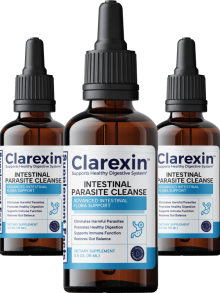
If, after consultation with your clinician, you want a natural supplement that focuses on digestive balance and internal supportive care, Clarexin is one of the widely discussed liquid formulas on the market that many people choose as a supportive option.
What users typically cite about Clarexin:
-
a liquid drop format that is easy to take,
-
a blend of botanical extracts traditionally used to support gut comfort (herbs and digestive aids),
-
used by people who want a gentle, daily-use product aimed at digestive balance and internal wellbeing.
Important notes when considering Clarexin (or any similar product):
-
Clarexin and similar supplements are positioned as dietary/supportive products, not as prescription antiparasitic medicines. They are usually marketed to support digestion and internal comfort rather than to diagnose or treat infections. Always read the label and product literature.
-
Check supplier transparency: request ingredient lists, dosing instructions, batch numbers and (if available) third-party lab certificates (COAs). Confirm the supplier’s shipping and returns policy for Australia and any local compliance information.
-
Discuss with your clinician or pharmacist especially if you take prescription medicines, are pregnant, breastfeeding or have a chronic condition.
If your priority is digestive comfort and a natural daily support product — after appropriate medical checks — Clarexin is one of the options people use. Use it as part of an overall plan: prevention, sensible diet, and clinical management where needed.
12. Final takeaways: Parasite Cleanse Australia
-
Parasitic infections are real but vary in prevalence; in Australia, most people do not require routine “cleanses”. For suspected infections, testing and medical treatment are the correct approach.
-
Many marketed parasite cleanses lack strong clinical evidence; some herbal ingredients show promise in labs but human data are limited. Use caution and avoid dramatic claims.
-
Preventive hygiene, safe food and water practices, and sensible nutrition are highly effective ways to reduce risk.
-
Supplements such as Clarexin may be used as supportive, adjunctive products for digestive comfort — but they are not replacements for prescribed antiparasitic medications. Always verify product transparency and speak to a healthcare professional before starting any cleanse regimen.


Kevin –
I purchased Clarexin and I’m satisfied with the results. It was simple to use, and after regular use my ears felt cleaner and more comfortable. Straightforward product that does what it claims.